In 1774, Giambattista Zaist wrote Notizie Istoriche de’ Pittori, Scultori, ed Architetti Cremonesi or Historical Notes of Painters, Sculptors, and Architects of Cremona.
For seven pages he writes about the accomplishments of Sofonisba Anguissola, recounting her early years, her time in Spain, her long legacy.
He concludes with these words,
“che superò l’artifizio non solo de piu esperti Pittori dell’ arte , specialmente del ritrarre di naturale, ma eguaglio`, al dir del Soprani, lo stesso Tiziano.”
“She surpassed the art not only of more experienced Painters of art, especially in natural portraiture, but equal, as says Soprani [1674], to Titian.”
Sofonisba was not always forgotten from history. Soprani and Zaist noted her. Vasari raved about her in his Lives of the Artists-and Vasari saw her work contemporary with all the Renaissance masters. Still, centuries after her accomplishments, her legacy continues to be stripped from her.
Sofonisba’s legacy deserves attention and correction.
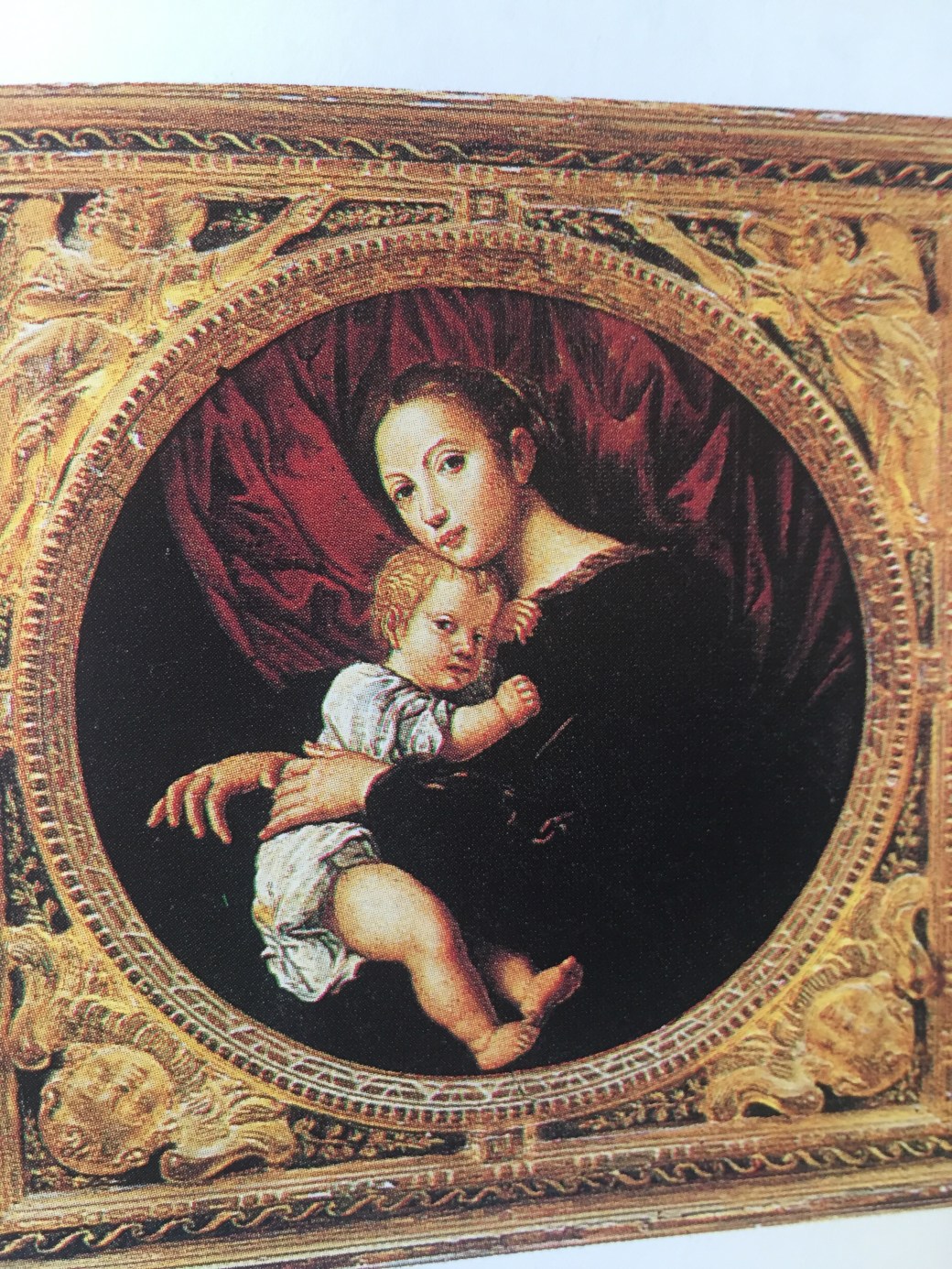 Sofonisba Anguissola continued painting well into her senior years and stopped only after her eyesight failed, as Anthony van Dyck noted in his sketchbook.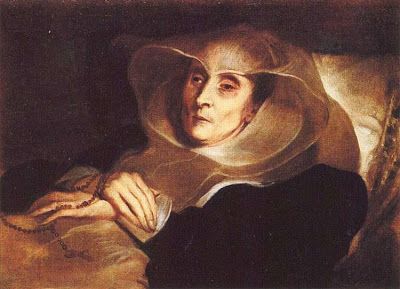
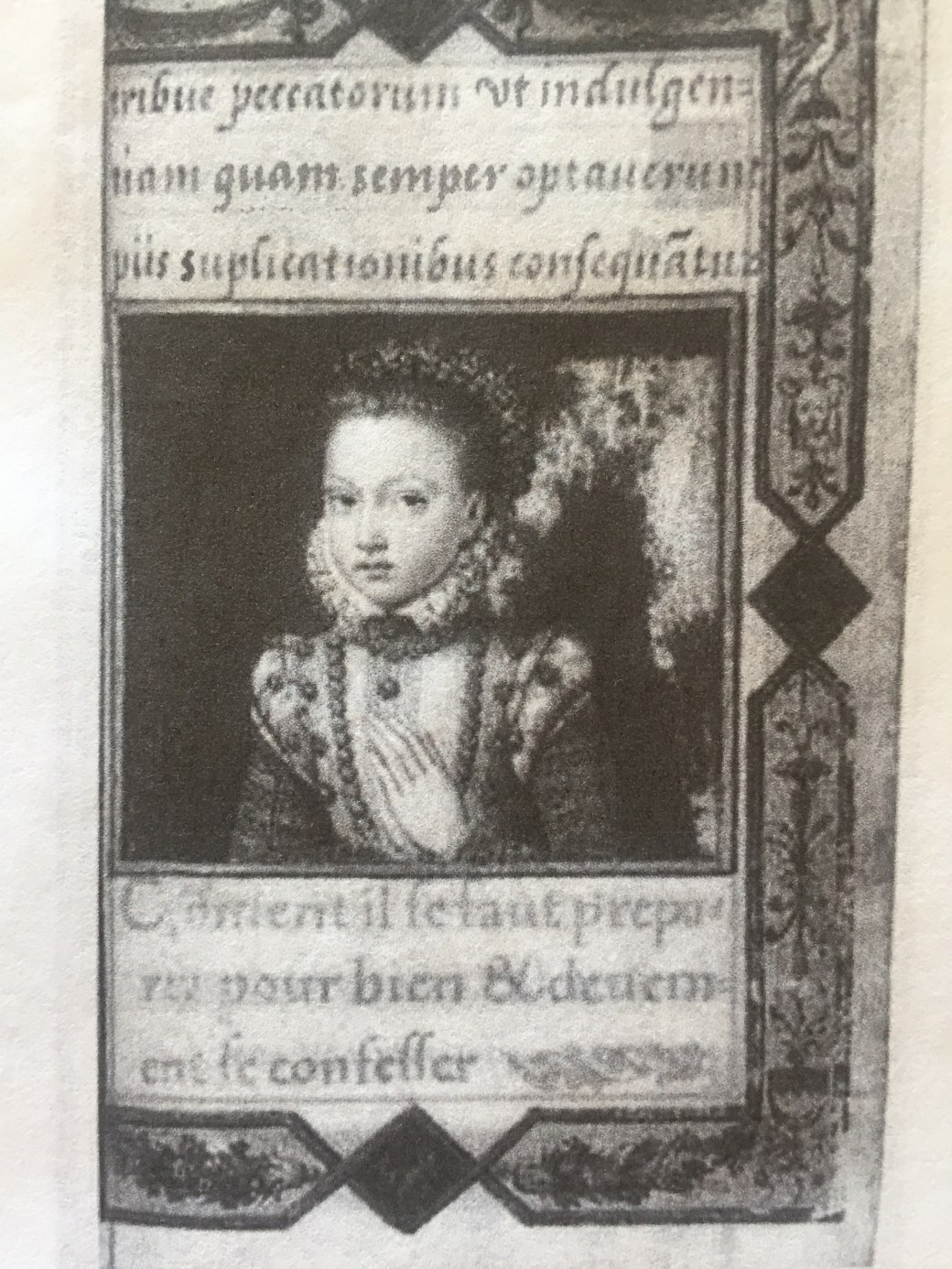
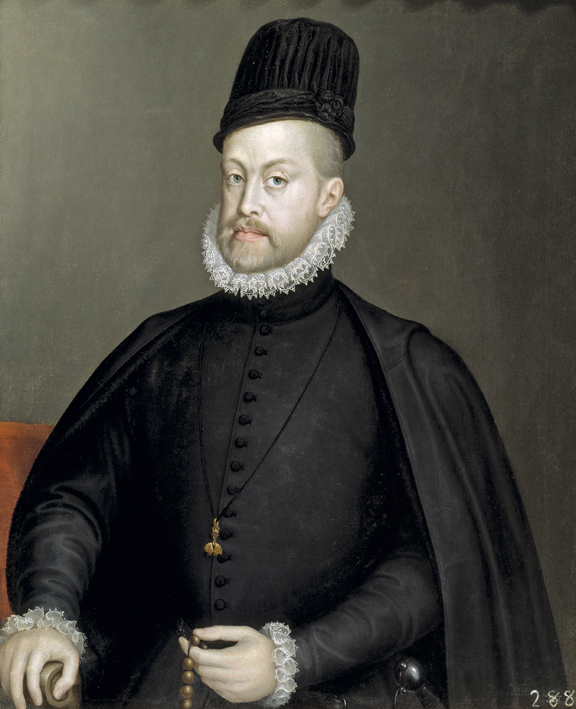
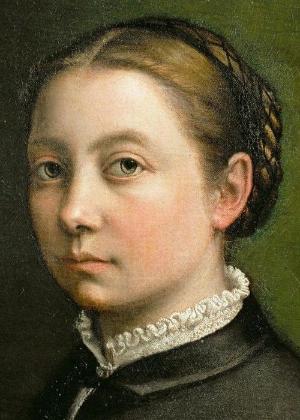
 In September of 1559, Amilcare Anguissola wrote as a devoted and obedient vassal “devotissimo, et ubidiente vassallo” to Philip II, the King of Spain, to accept the summons sent to his very dear daughter Sofonisba “me tanto carissima figliola” to serve as a lady in waiting to the next Queen of Spain “Serenissima nostra Regina” the French princess Elisabet de Valois, daughter of Catherine de Medici and Henry II.
 Sofonisba.net, Lady in Ermine