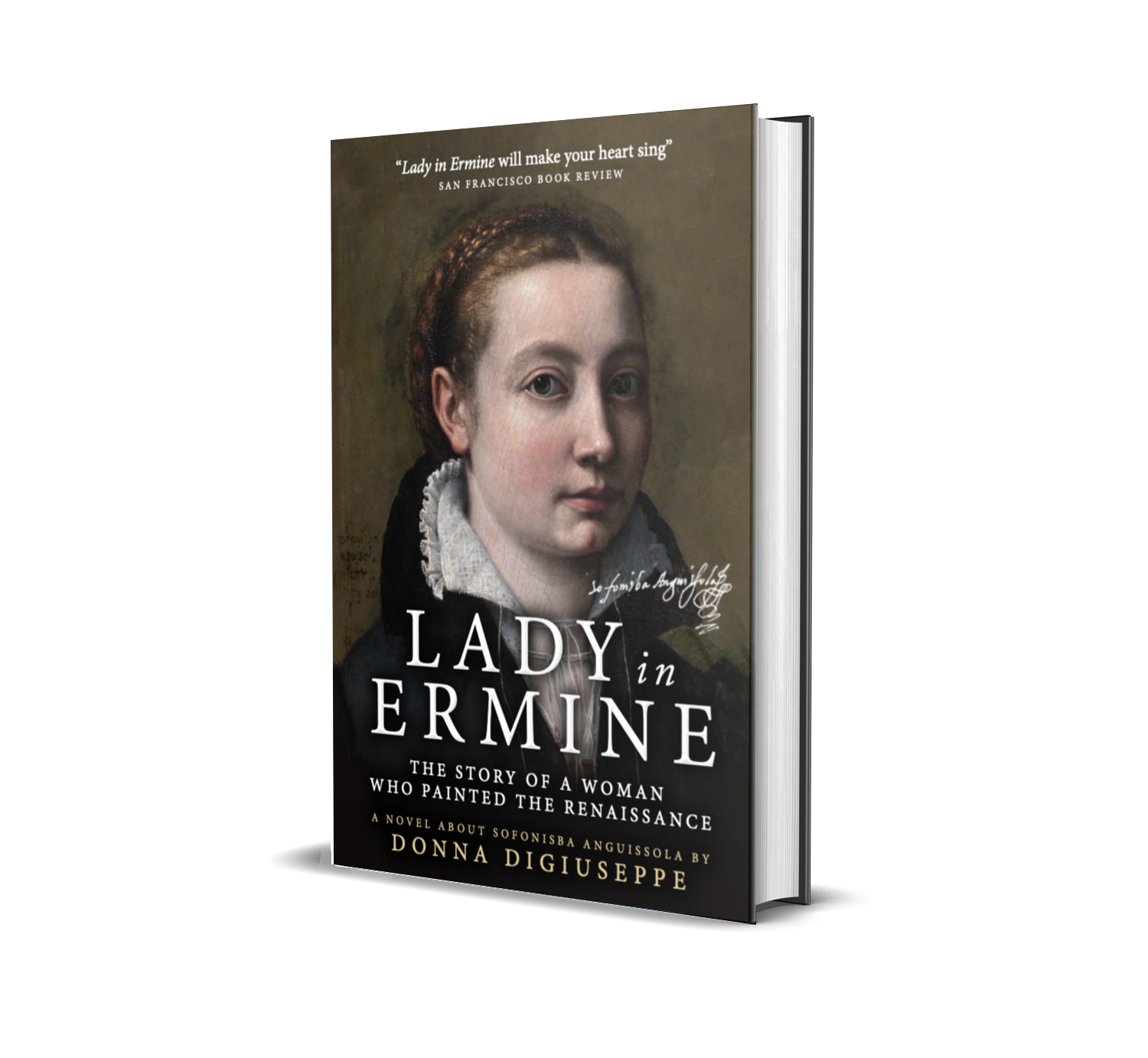
The story of Sofonisba Anguissola (c. 1535-1625)
The story of Sofonisba Anguissola (c. 1535-1625)
And painted them with such detail.
Educated, trained, and supported by her family. Read her story
The Story of a Woman Who Painted the Renaissance
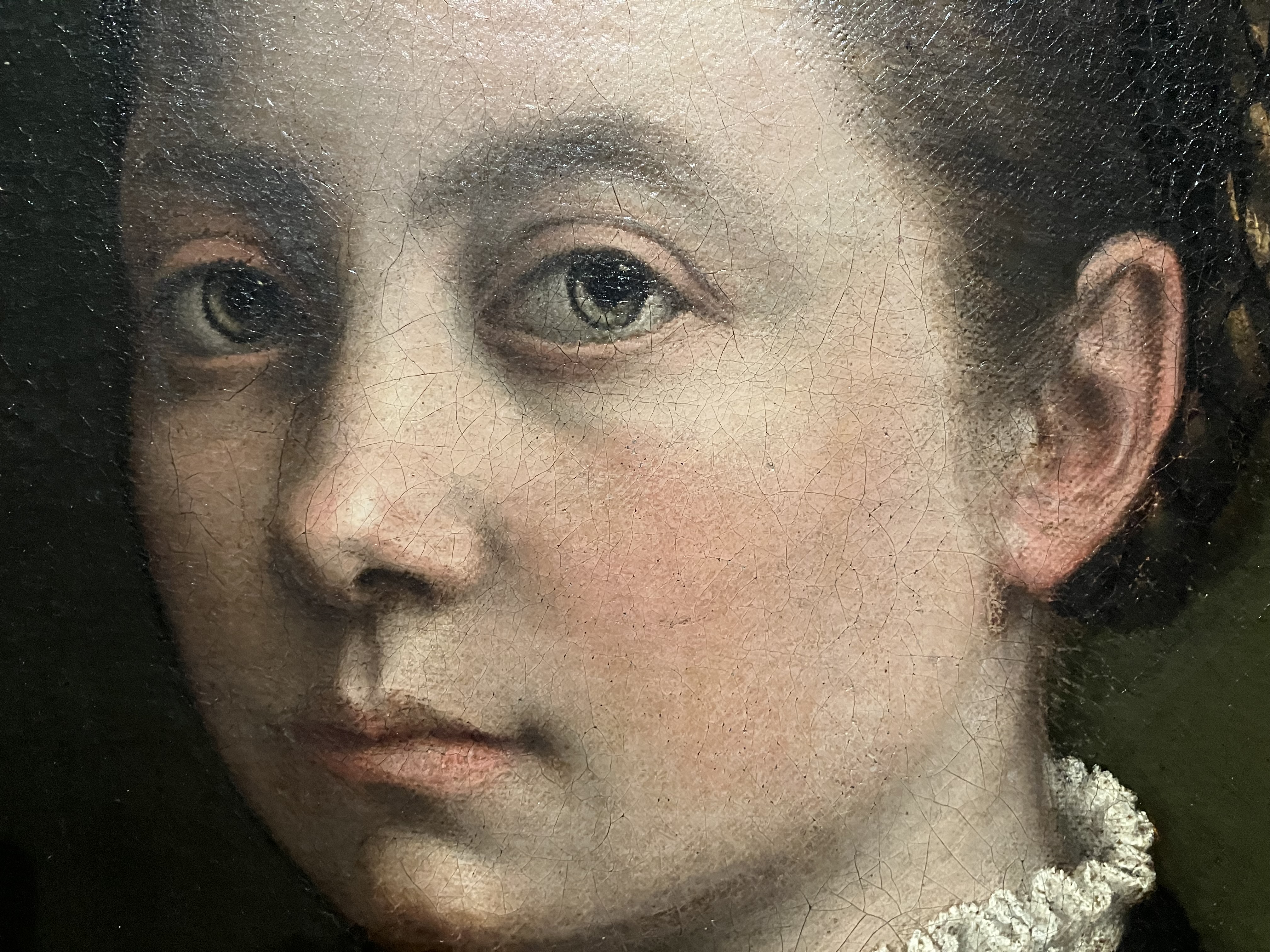
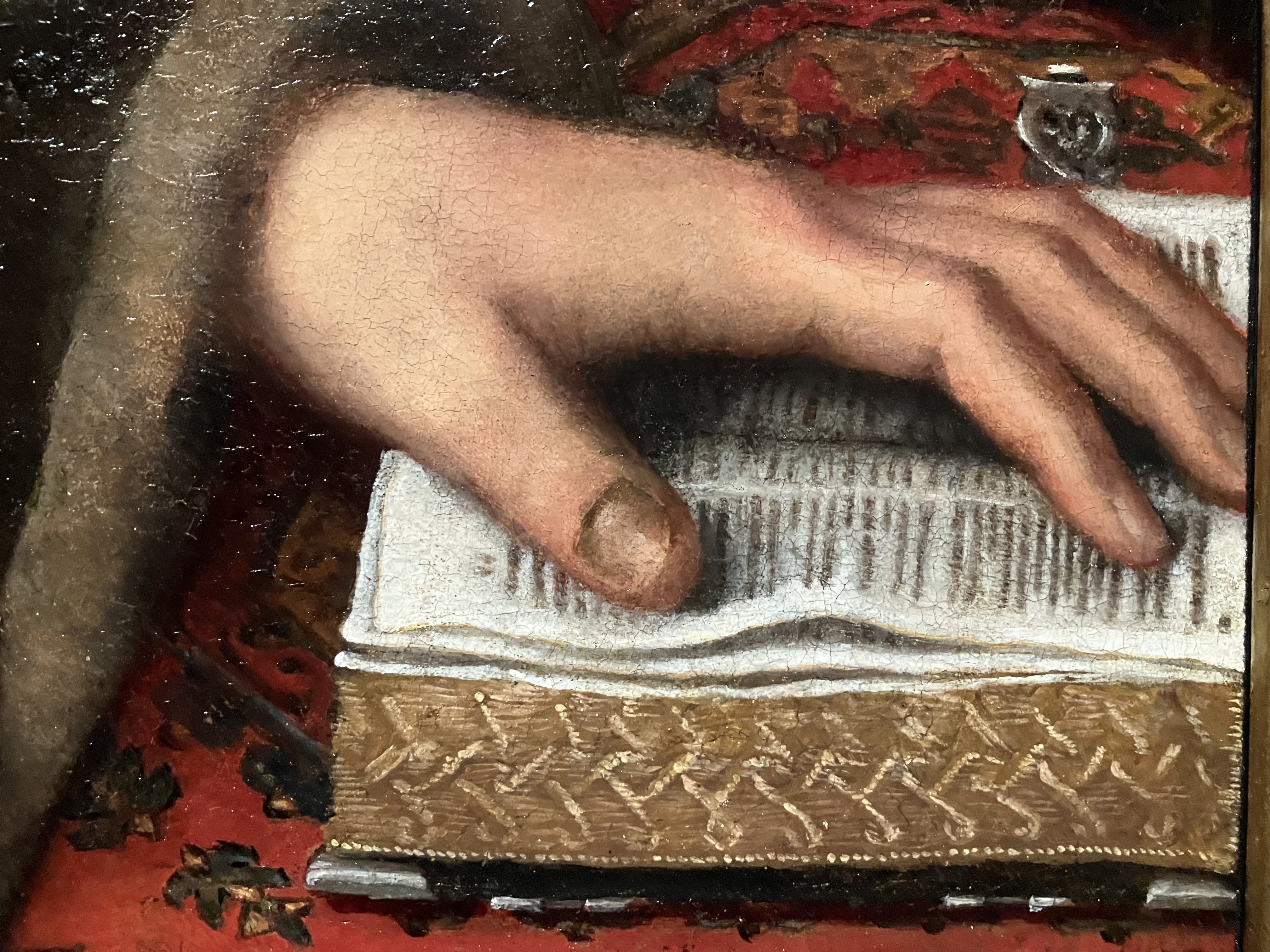
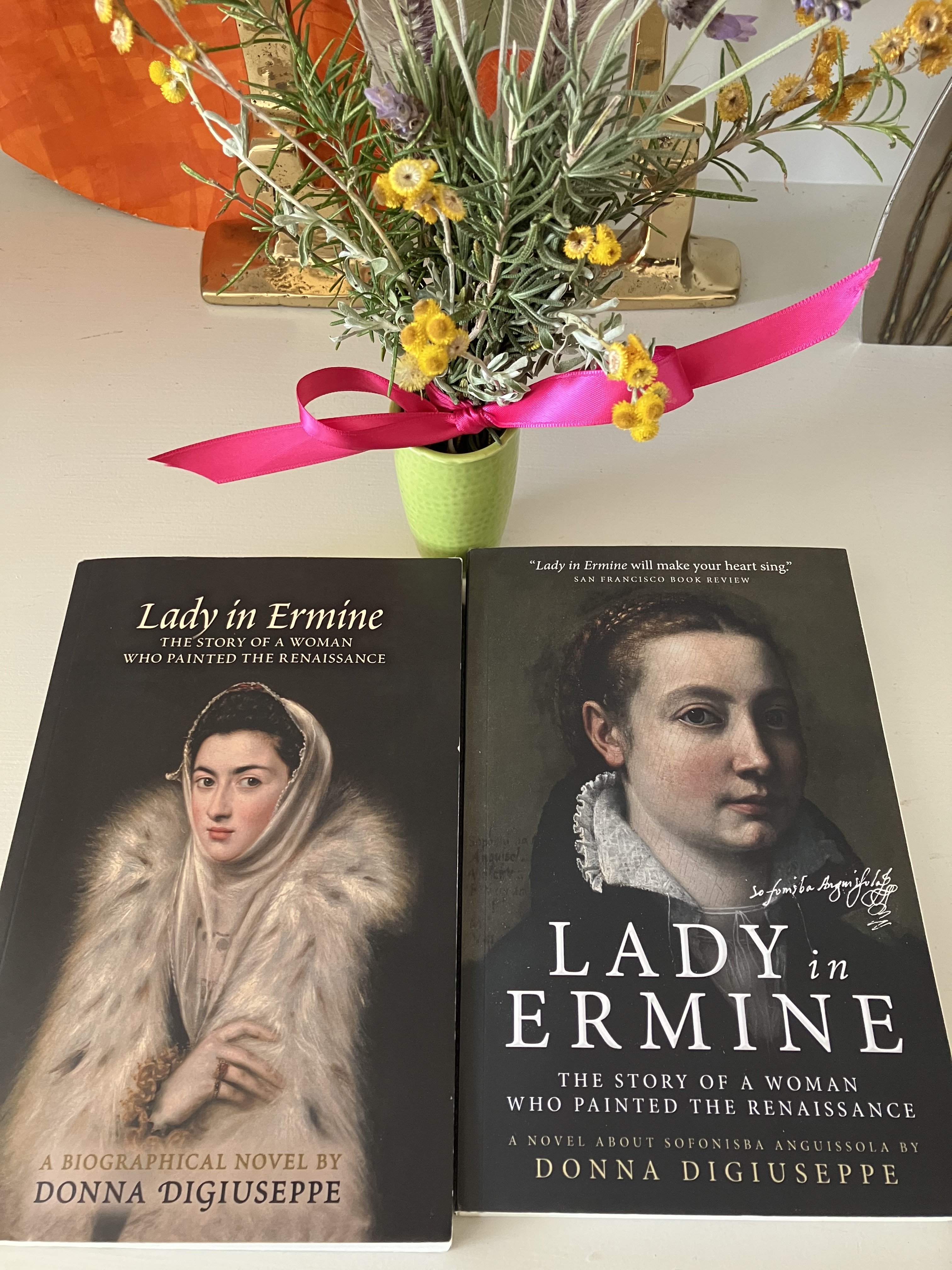
Chapter 31 Anthony van Dyck: Sicily 1615-November 1625

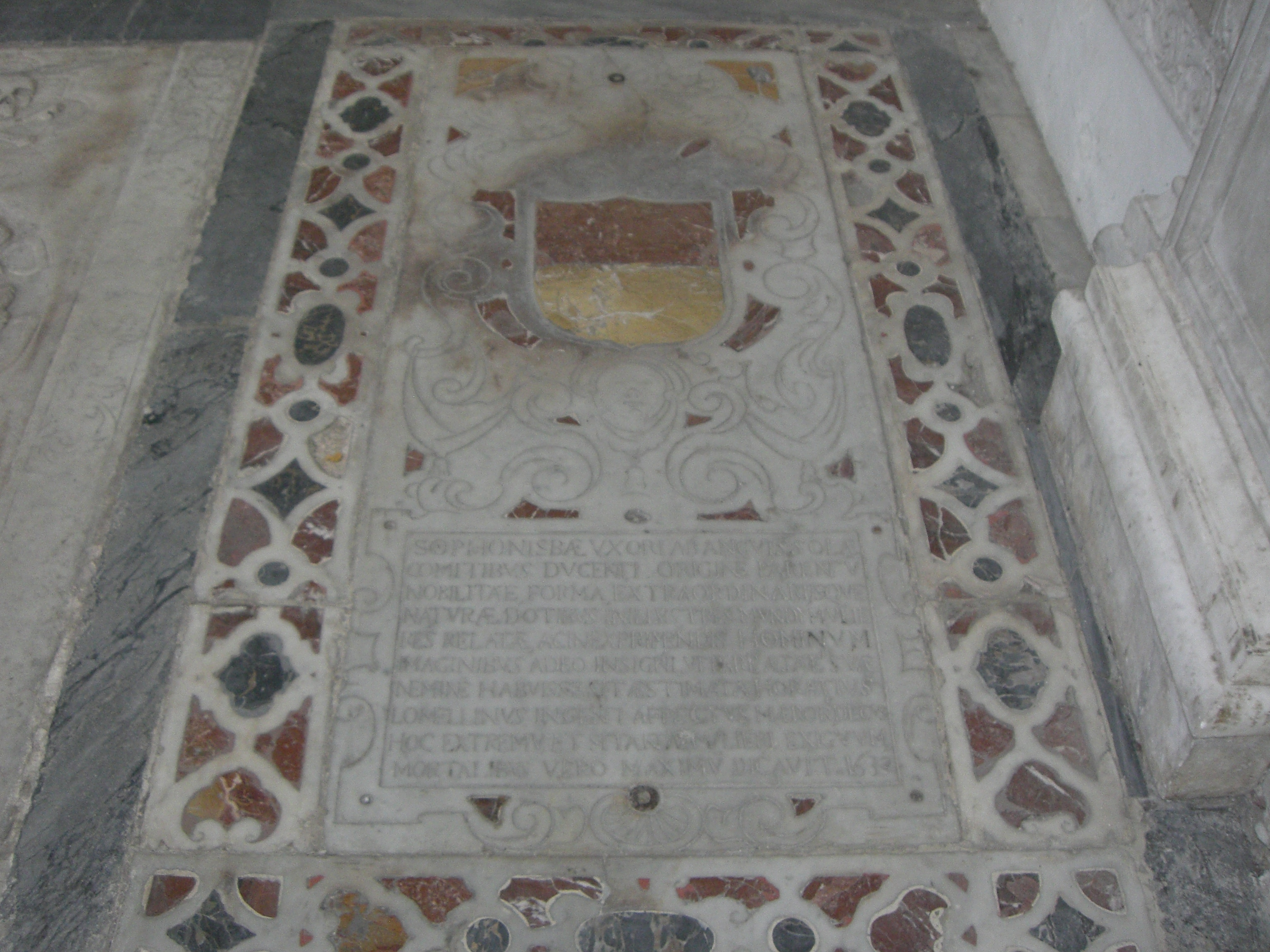
Sofonisba Anguissola is buried at The Church of the Genovese, Palermo Sicily.
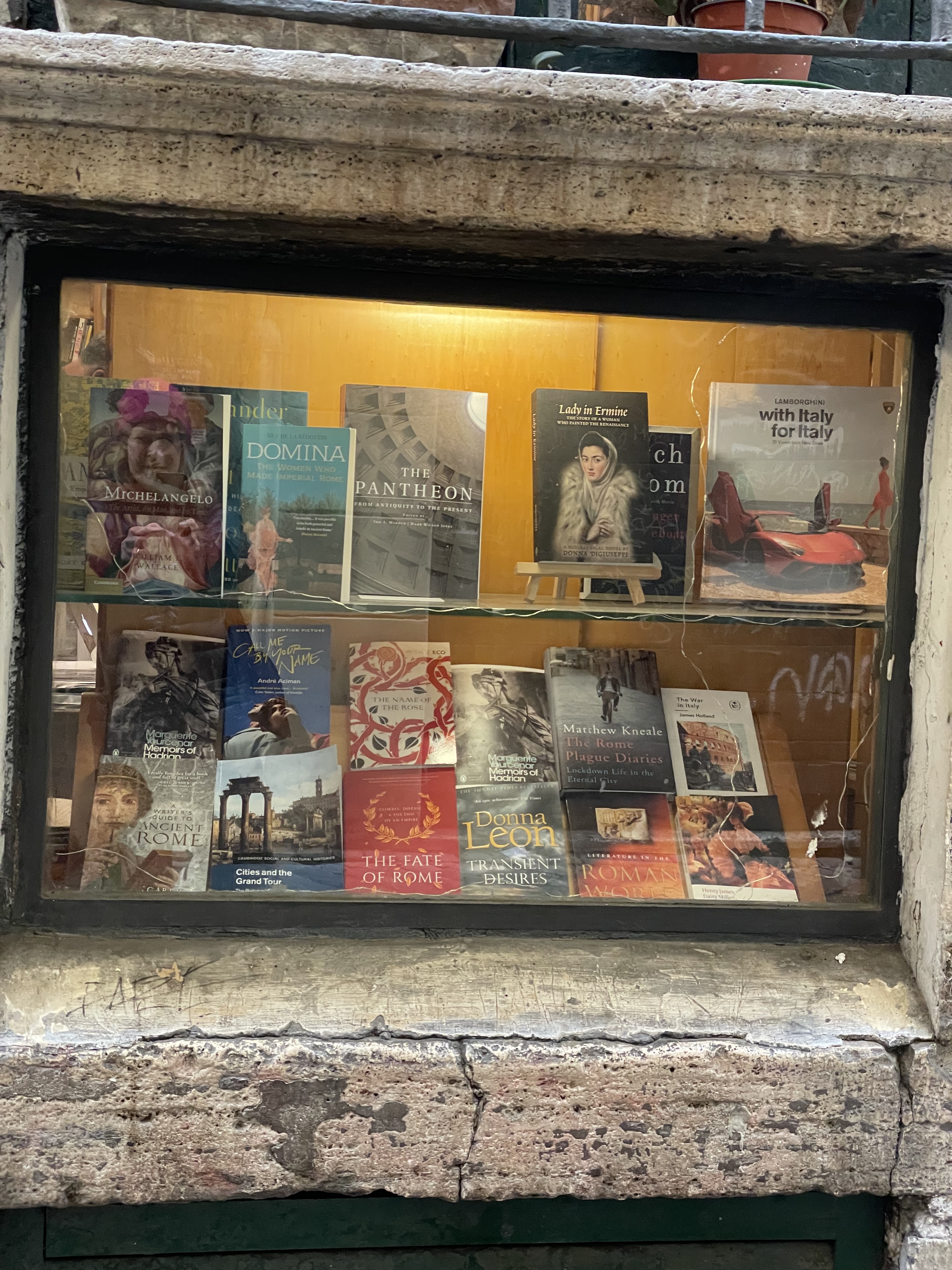
Lady in Ermine and Sofonisba in Rome with Domina, the novel and new series based on the life of Livia, another historic woman with a story to tell.
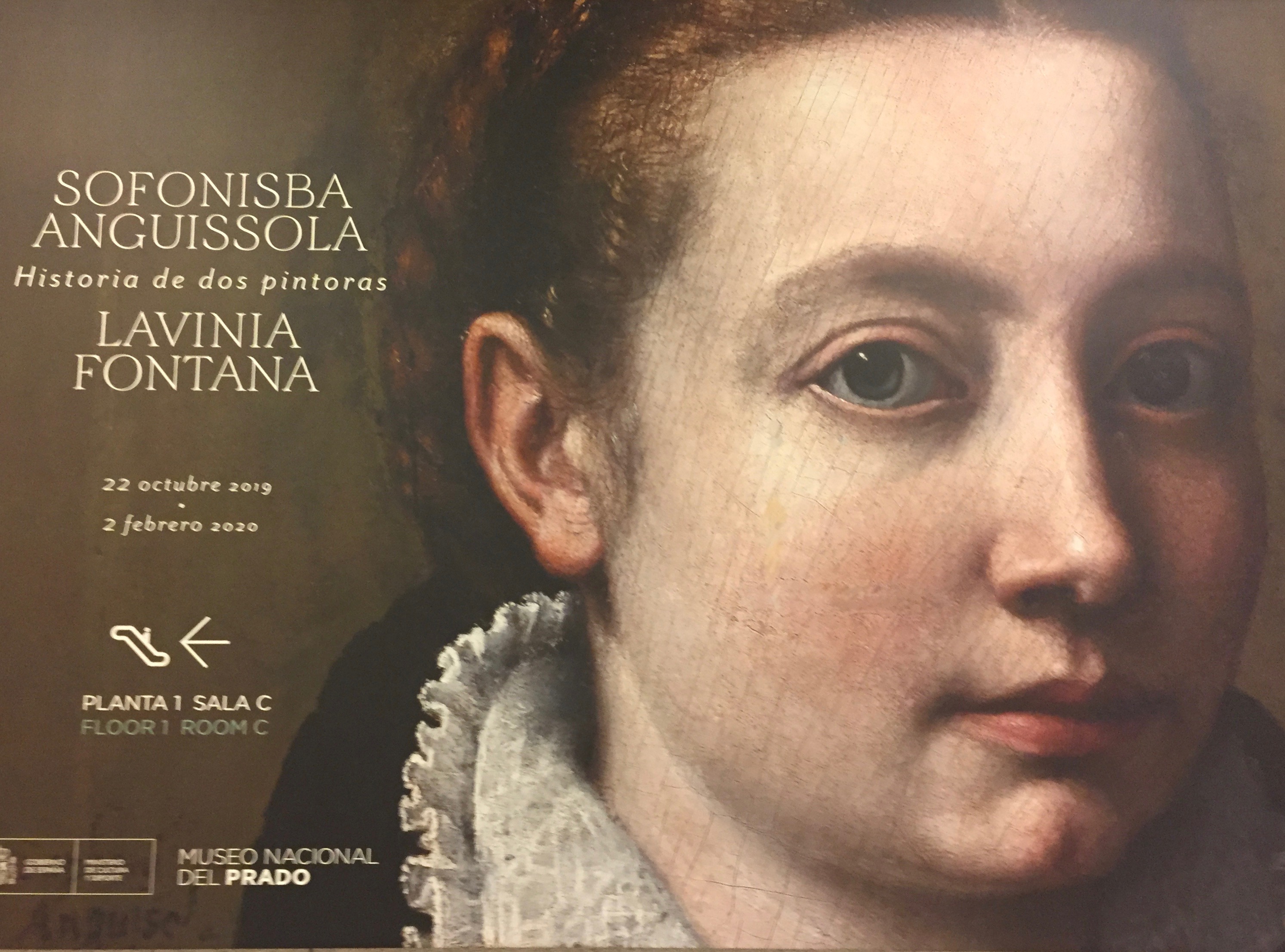
And thank you, Leticia Ruiz, for the beautiful curation of the exhibition.

I want to thank Carol Cram, Art in Fiction for the lively interview. Art in Fiction is fast generating a substantial list and is a terrific resource for readers and art lovers alike. Sofonisba’s legacy and Lady in Ermine thank you as well.
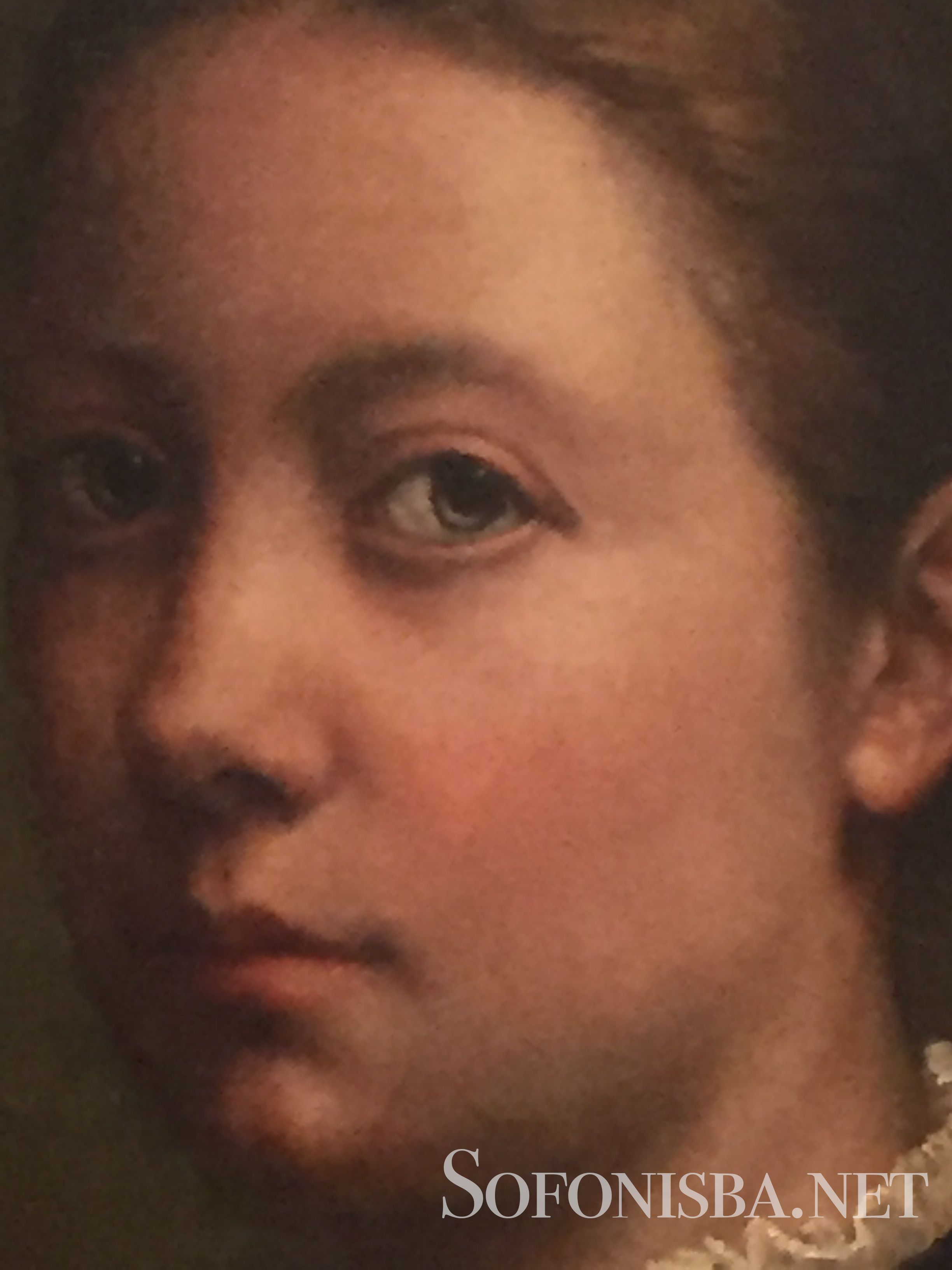
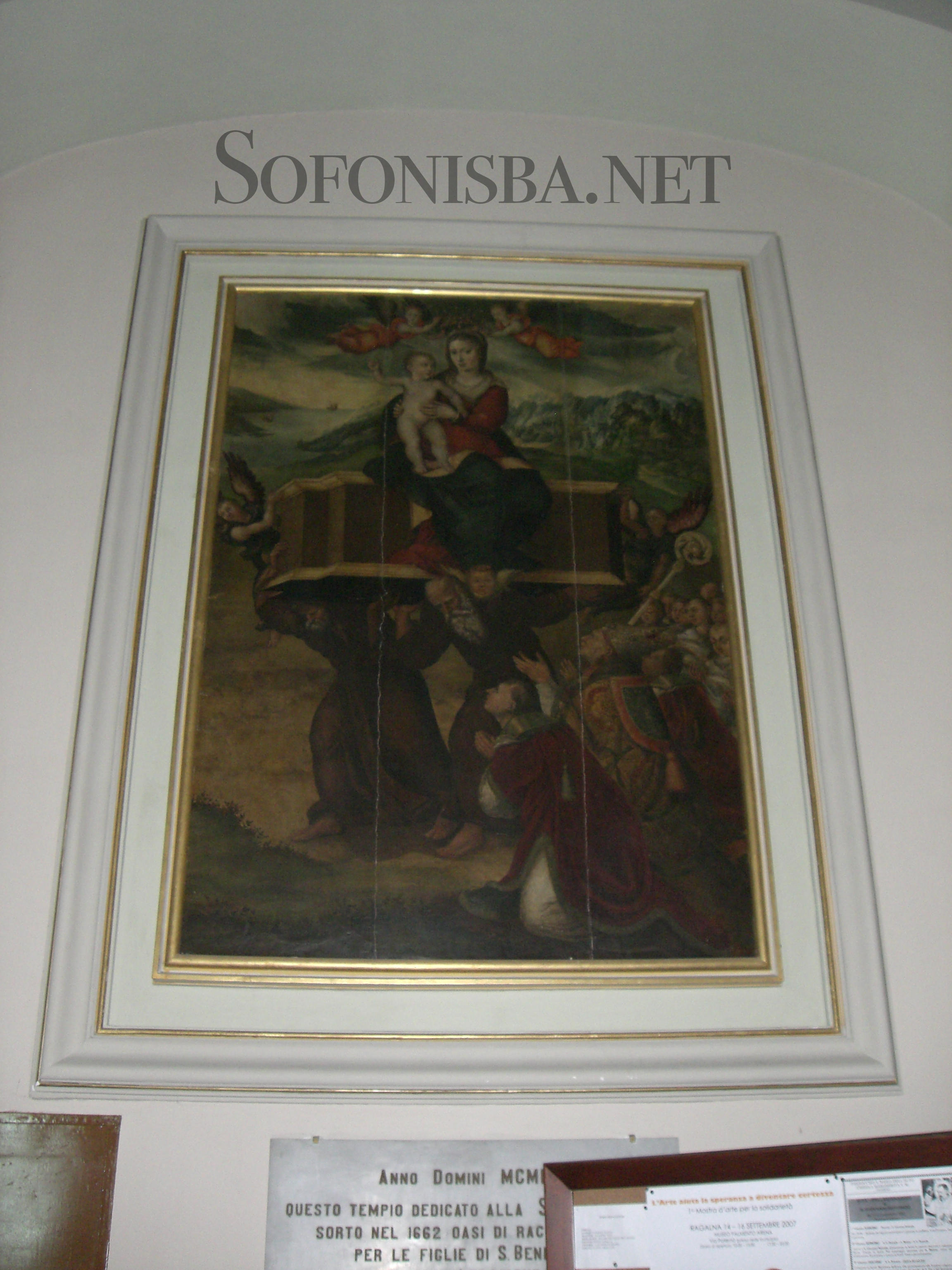
Here’s how I saw it in Paterno` in 2006. They have done a terrific job enhancing the color. Well done Museo Civico di Cremona and Silvia Galli.
A PRINCESS OF PEACE for 2021
So much pain, in so many ways, 2020. Yet, also, transformation, change, growth. Quarantine offered time and simplicity.
I used my time and angst in 2020 to polish the screenplay adaptation of LADY IN ERMINE.
Six rewrites. It was rough in June. Wordy in July. Rambling in August.
In September, I worked with Mira Kopell (UC Berkeley, Film & Media). Thank you, Mira!
October to nail the structure.
November, it all came together.
December, my gift to myself was to finish it.
From reader feedback, Ferrante Anguissola, and my own gut feelings, I know LADY IN ERMINE will make a beautiful film. Plus, historical fiction is back (Bridgerton). Strong female characters are in (The Queen’s Gambit). The time for LADY IN ERMINE is here.
But 2021 needs both patience and a kick. We pine for the vaccine distribution. We need to get on with life.
So, I’m beginning the second novel of the Lady in Ermine series. Sofonisba influenced so much, and so many.
LADY IN ERMINE: The Story of a Woman Who Painted the Renaissance begins on September 21, 1549. I will work to finish a manuscript of A PRINCESS OF PEACE by September 21, 2021. Patience and a kick for 2021. Thank you to all who gave feedback on the first novel. It has been so positive! I am grateful. To a healthy and peaceful 2021.
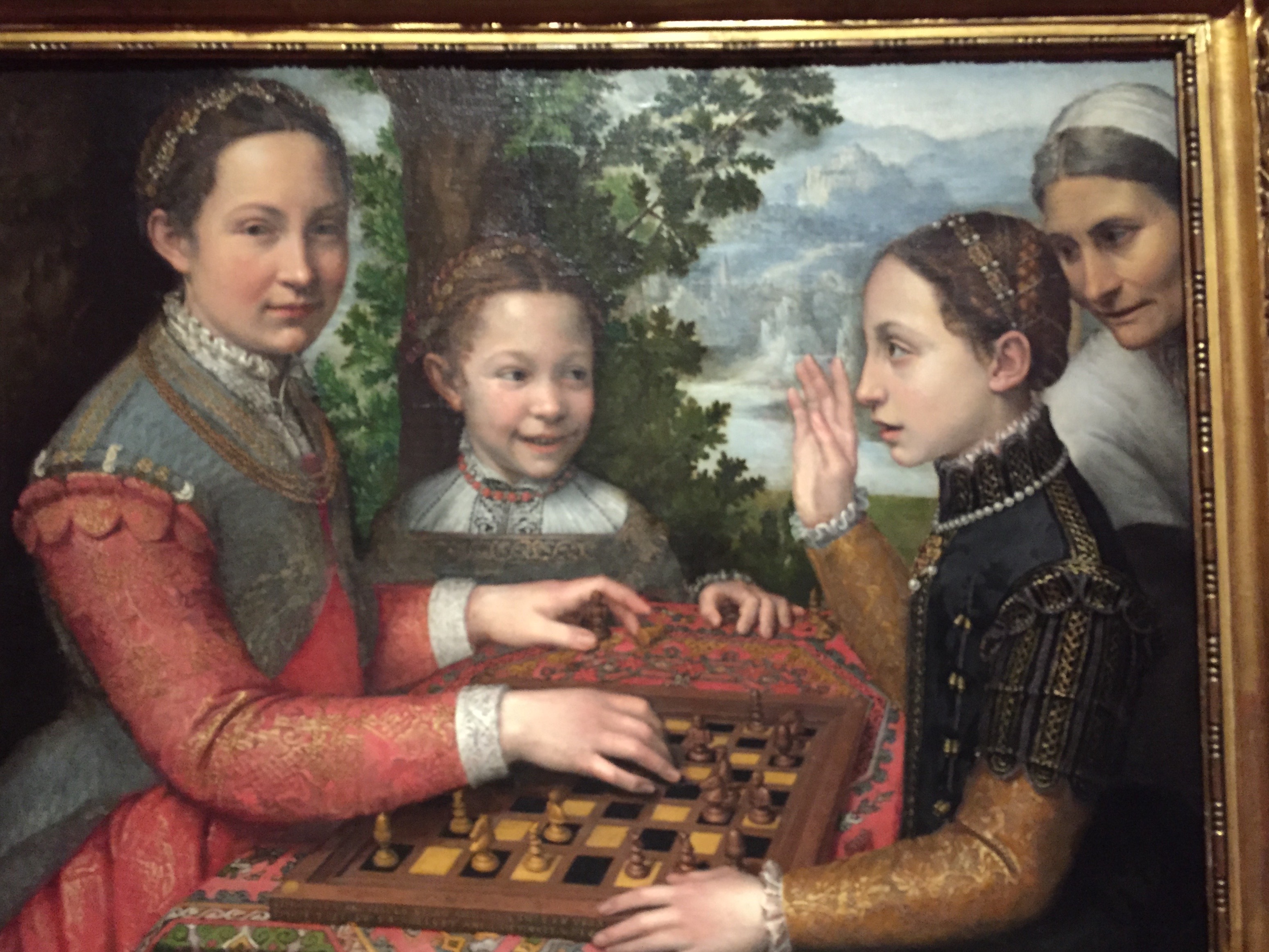
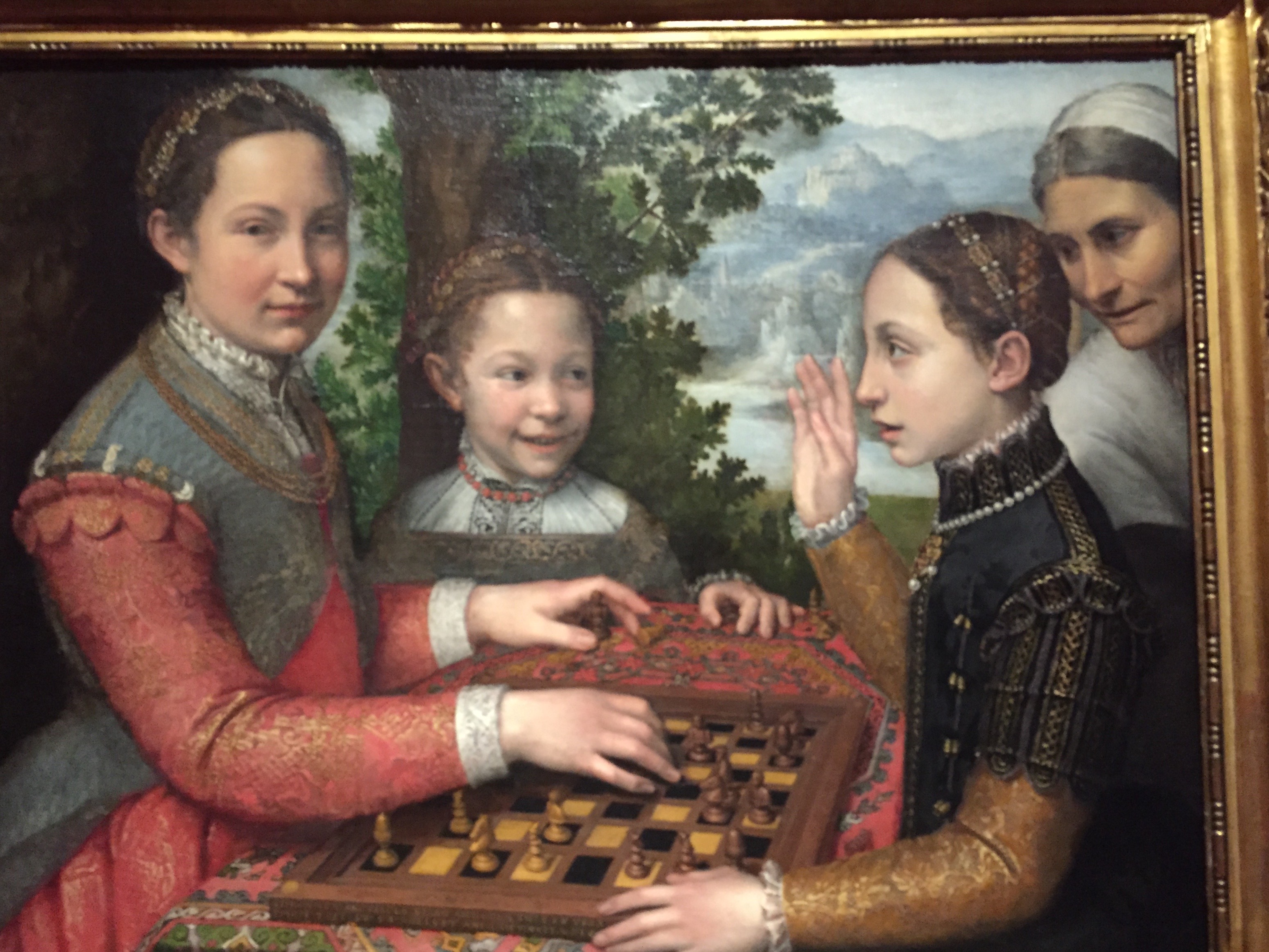
With the success of The Queen’s Gambit, Sofonisba’s Chess Game is relevant again. Sofonisba wove a narrative of her own Queen’s Gambit right into the game played in her 1555 masterpiece. It’s dramatized in Lady in Ermine, Chapter Four, “The Chess Game.”
I think Sofi would enjoy this series and it’s focus on women and chess. http://sofonisba.net

I’m delighted to read of Genova’s successful near-completion of the bridge that collapsed so very recently, in 2018. It gives me a feeling of optimism, literally a bridge for the future, inspiring.
I can’t resist connecting the success of this modern-day project with Sofonisba’s life of creative invention (invenzione/inventione). Sofonisba and her husband lived in Genoa from 1580 to 1615 before transferring to Sicily. During her time in Genoa, she continued to innovate, to paint high and low, and to influence artists, some of whom followed her footsteps to the Spanish court to contribute to the Escorial and the Spanish Habsburg collection. Her work and her mentoring of the next generation (the way Michelangelo mentored her) were formative to the artistic, creative, dynamic life of Genoa in the late 16th and early 17th centuries. Four hundred years later, that creativity can make your heart sing.
 Sofonisba.net, Lady in Ermine